Overstimulation in ADHD Explained
Why people with ADHD feel overstimulated and what helps manage sensory overwhelm.

Why ADHD Brains Get Overstimulated
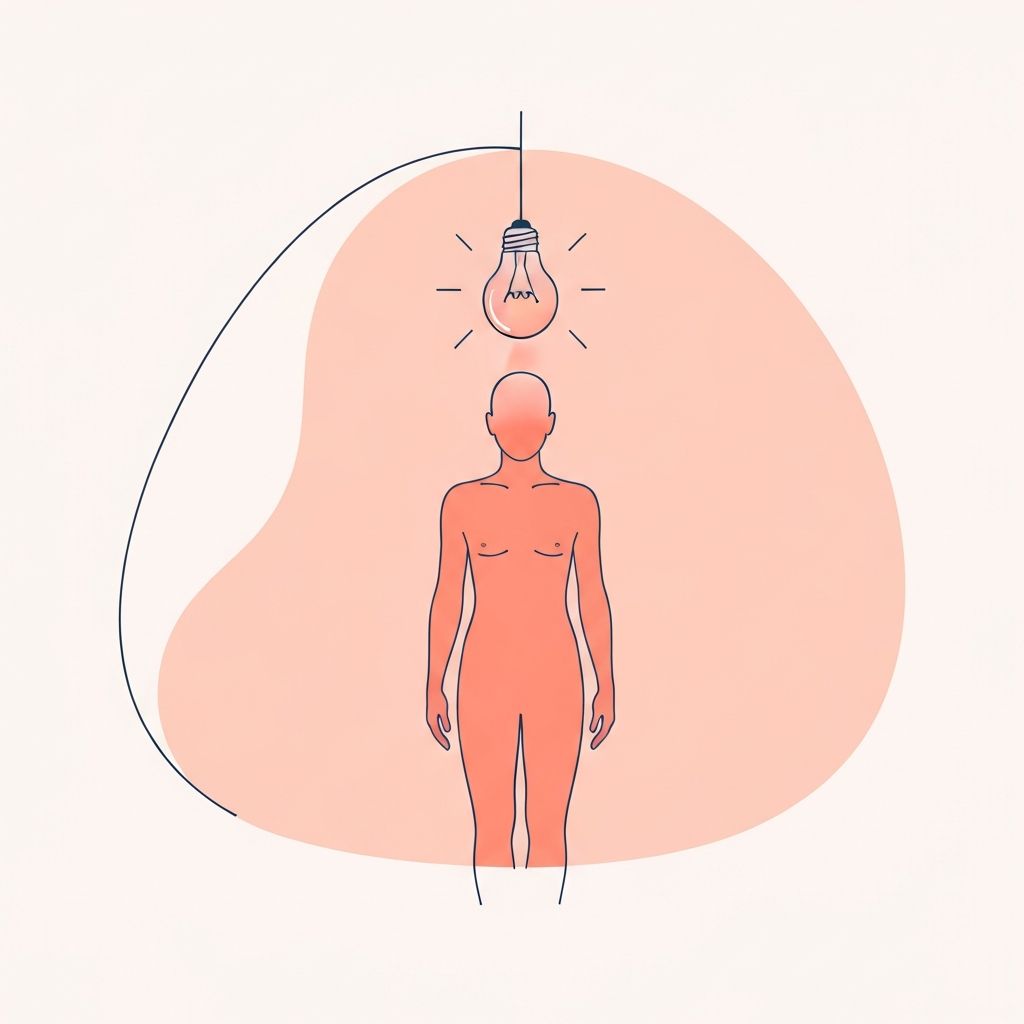
The ADHD brain has difficulty filtering sensory input. While neurotypical brains automatically tune out irrelevant stimuli, ADHD brains often process everything at equal intensity.
This means a busy environment isn't just distracting - it's genuinely overwhelming. Your brain is working overtime to process information that others' brains ignore.
Common Overstimulation Triggers
Noisy environments: Open offices, restaurants, crowded spaces
Visual clutter: Messy rooms, busy patterns, bright lights
Social demands: Group conversations, networking events, family gatherings
Multitasking: Switching between tasks or managing multiple demands
Emotional intensity: Conflict, exciting news, or high-pressure situations
Signs You're Overstimulated
Sudden irritability or emotional outbursts
Difficulty following conversations or making decisions
Physical tension, headaches, or nausea
Urge to escape or shut down
Feeling 'buzzy' or unable to relax
Increased stimming or fidgeting
Managing Overstimulation
Remove yourself from the stimulus when possible. Even 5 minutes of quiet can help reset.
Use noise-canceling headphones or earplugs in overwhelming environments.
Create a low-stimulation retreat space at home and work.
Practice saying 'I need a moment' without over-explaining.
Schedule recovery time after known high-stimulation events.
Feeling Overwhelmed?
Take our assessment to understand your overstimulation patterns and get personalized coping strategies.
Assess Your Patterns