ADHD Paralysis: Why You Freeze & How to Break Free
ADHD paralysis isn't laziness - it's a real neurological response. Learn what causes task paralysis and practical strategies to get unstuck.
What Is ADHD Paralysis?
ADHD paralysis, sometimes called task paralysis or analysis paralysis, is a state where you feel completely stuck and unable to start or complete tasks - even ones you want to do. It's not laziness or lack of motivation; it's a neurological response that affects millions of people with ADHD.
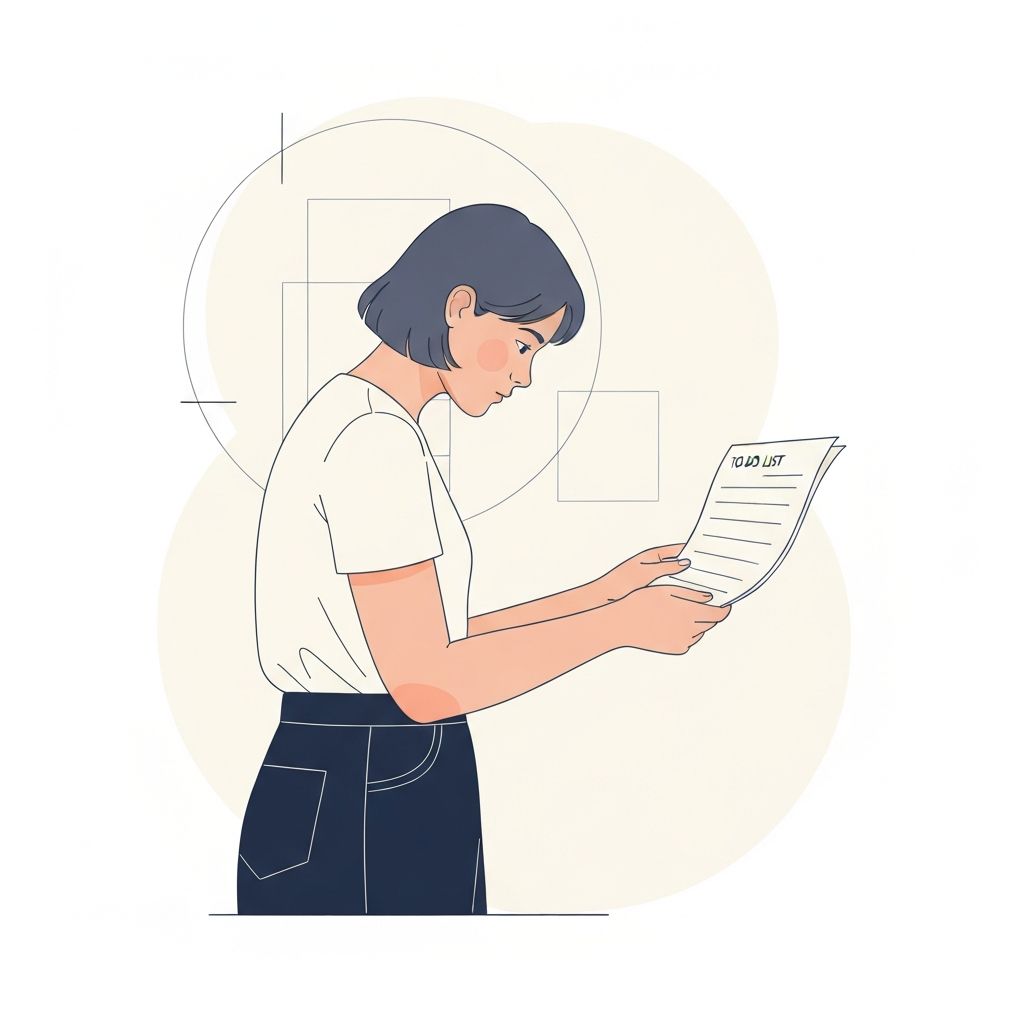
This paralysis can manifest in different ways: staring at a blank document unable to write, scrolling your phone while important deadlines loom, or feeling physically frozen when faced with a to-do list. The frustrating part? You're fully aware of what needs to be done, but your brain simply won't cooperate.
Why Does ADHD Paralysis Happen?
The ADHD brain has differences in dopamine regulation and executive function that directly contribute to task paralysis. When faced with a task, especially one that seems overwhelming, boring, or lacks immediate reward, the ADHD brain struggles to generate the activation energy needed to begin.
Research shows that people with ADHD have difficulty with 'task initiation' - one of the core executive functions. This isn't a choice or character flaw; it's how the ADHD brain is wired. The prefrontal cortex, responsible for planning and decision-making, doesn't activate as easily without sufficient dopamine.
Common triggers for ADHD paralysis include: tasks that feel overwhelming or have too many steps, perfectionism and fear of doing something wrong, unclear instructions or ambiguous expectations, boring or repetitive tasks, and decision fatigue from too many choices.
Breaking Through: Practical Strategies
The 2-Minute Rule: If a task takes less than 2 minutes, do it immediately. This builds momentum and reduces the mental load of your to-do list.
Body Doubling: Work alongside someone else, even virtually. The presence of another person can provide the external accountability your brain needs to stay focused.
Task Chunking: Break large tasks into tiny, specific steps. Instead of 'write report,' try 'open document and write one sentence.' Making the first step ridiculously small reduces the activation energy required.
Change Your Environment: Sometimes physical movement or a change of scenery can break the paralysis. Try standing up, moving to a different room, or going outside briefly before attempting the task.
Use External Structure: Timers, alarms, and scheduled reminders can provide the external cues your brain needs. The Pomodoro Technique (25 minutes work, 5 minutes break) works well for many people with ADHD.
When to Seek Help
If ADHD paralysis is significantly impacting your work, relationships, or quality of life, it may be time to talk to a healthcare provider. Medication adjustments, therapy (particularly CBT for ADHD), or coaching can provide additional support.
Remember: ADHD paralysis is a symptom of how your brain works, not a personal failing. Understanding this can help reduce the shame and self-criticism that often makes paralysis worse.
Struggling with ADHD symptoms?
Take our free ADHD assessment to understand your patterns and get personalized insights.
Take Free Assessment