Adderall vs Vyvanse for Anxiety
How Adderall and Vyvanse compare for people who also have anxiety - which is better?
The ADHD-Anxiety Overlap
Up to 50% of adults with ADHD also have an anxiety disorder. Stimulant medications can either help or worsen anxiety depending on the individual and the specific medication.
Understanding how Adderall and Vyvanse differ in their anxiety profiles can help you and your doctor make better treatment decisions.
Adderall and Anxiety
Adderall contains a mix of amphetamine salts that release quickly, creating a rapid onset of effect.
For anxiety-prone individuals, this quick onset can feel 'jarring' and may trigger anxiety symptoms.
The shorter duration means more peaks and valleys in blood levels, which some find anxiety-provoking.
The comedown period can also trigger anxiety as the medication wears off.
Vyvanse and Anxiety
Vyvanse is a prodrug - it must be converted by the body into the active form, resulting in a gradual onset.
This smoother onset is often better tolerated by people with anxiety.
The longer, more stable duration means fewer blood level fluctuations throughout the day.
However, Vyvanse can still cause or worsen anxiety in some individuals - the gentler profile doesn't guarantee anxiety-free treatment.
Making the Right Choice
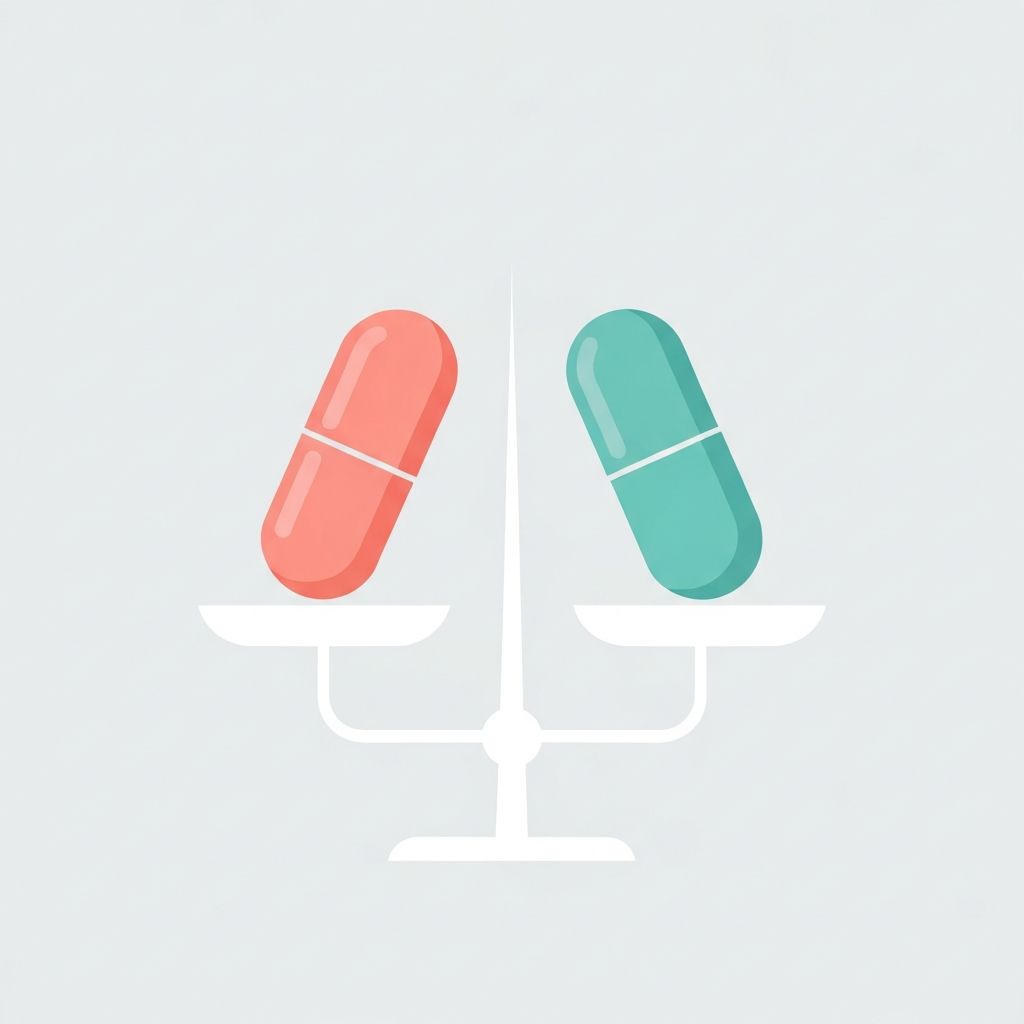
Neither medication is universally 'better' for anxiety - individual response varies significantly.
Starting with a lower dose and titrating slowly reduces anxiety risk with either medication.
Some people do better with extended-release Adderall (XR) which has a smoother profile than immediate-release.
Non-stimulant options like Strattera may be worth considering if stimulants consistently worsen anxiety.
Treating anxiety directly (therapy, medication) alongside ADHD often yields the best results.
Managing ADHD and Anxiety?
Our assessment evaluates both conditions to help optimize your treatment approach.
Assess Your Symptoms