Can Biometrics Predict ADHD Medication Effectiveness?
New research explores using HRV, sleep quality, and activity data to objectively measure how well your ADHD medication is working.
The Problem with Subjective Assessment
How do you know if your ADHD medication is really working? Current assessment relies heavily on self-report, which is problematic for a condition that affects self-awareness and memory. You might not remember how you felt last week, or accurately compare today to your pre-medication baseline.
Objective biomarkers could transform ADHD treatment by providing continuous, unbiased data on medication effectiveness. Research is increasingly showing that wearable-derived biometrics may fill this gap.
HRV as a Medication Response Marker
Multiple studies have found that effective ADHD treatment increases HRV, reflecting improved autonomic regulation. A 2017 study in the Journal of Attention Disorders found that children who responded well to methylphenidate showed significant HRV increases.
The mechanism makes sense: stimulant medications increase prefrontal cortex activity, which has downstream effects on vagal tone (parasympathetic nervous system activity measured via HRV).
Practically, this means tracking your HRV before and after starting or adjusting medication could provide objective evidence of response - or lack thereof.
Sleep Architecture Changes
Effective ADHD treatment often improves sleep quality, despite concerns about stimulants disrupting sleep. When medication adequately controls symptoms, the racing thoughts and hyperarousal that delay sleep diminish.
Track sleep latency, wake episodes, and sleep efficiency after medication changes. Improvement in these metrics, combined with symptom relief, suggests the medication is working as intended.
Conversely, if medication is causing sleep deterioration without corresponding symptom improvement, this data supports discussing alternatives with your provider.
Activity and Movement Patterns
Accelerometer data from wearables can detect hyperactivity and restlessness patterns. Research has shown that effective medication reduces movement variability and fidgeting.
Track your daily activity patterns: effective medication often shows as more consistent, purposeful movement rather than the erratic, restless patterns common in untreated ADHD.
The Future: Continuous Monitoring
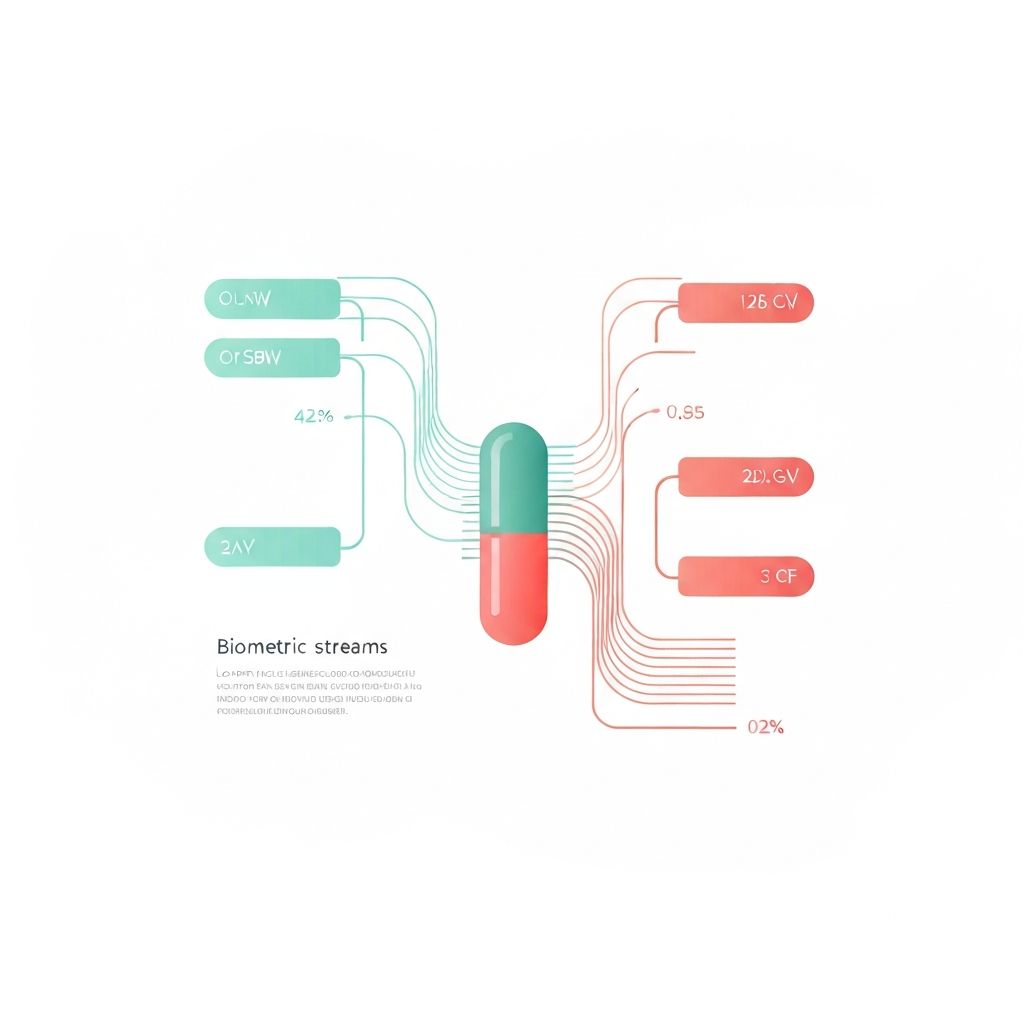
Researchers at several institutions are developing algorithms that combine multiple wearable data streams to create 'ADHD symptom scores' - continuous, objective measures of symptom severity.
A 2024 pilot study demonstrated that machine learning models using wearable data could predict medication wear-off time with 85% accuracy, potentially enabling preemptive dose timing adjustments.
While not yet clinically available, these developments suggest a future where ADHD management is guided by objective, personalized data rather than retrospective self-report.
Is your medication working optimally?
Our medication check assessment helps you systematically evaluate your current treatment effectiveness.
Check Your Medication