Sleep Data & ADHD: What Your Wearable Is Telling You
Deep sleep, REM cycles, and sleep latency patterns in ADHD - research-backed insights on using sleep tracking to improve symptoms.
The ADHD-Sleep Connection
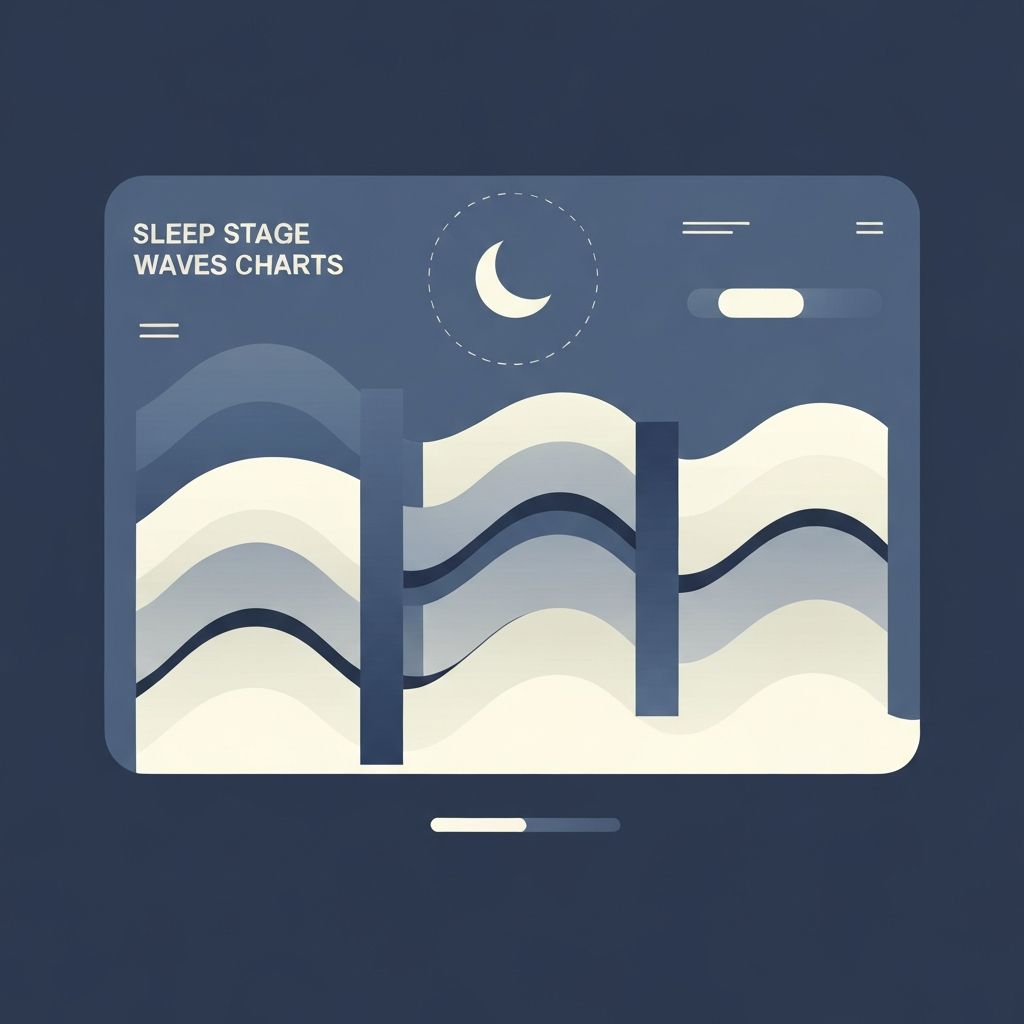
Up to 75% of adults with ADHD report sleep problems. This bidirectional relationship means poor sleep worsens ADHD symptoms, and ADHD itself disrupts sleep architecture. Understanding this connection through data can break the cycle.
Common ADHD sleep patterns include: delayed sleep phase (natural sleep time shifted later), difficulty falling asleep due to racing thoughts, frequent night wakings, reduced deep sleep percentage, and feeling unrefreshed despite adequate hours.
Key Sleep Metrics for ADHD
Sleep Latency: Time to fall asleep. ADHD individuals average 45-60 minutes vs. 15-20 for neurotypicals. If your wearable shows consistently high latency, this is a key area to address.
Deep Sleep Percentage: Should be 15-20% of total sleep. Many with ADHD show reduced deep sleep, which impairs memory consolidation and next-day executive function.
REM Sleep: Important for emotional regulation and learning. Stimulant medications can suppress REM; track whether your REM percentage changes with medication timing.
Sleep Efficiency: Time asleep divided by time in bed. Below 85% indicates fragmented sleep worth investigating.
Consistency: Sleep timing variability (social jet lag) is particularly harmful for ADHD brains. Track your sleep midpoint consistency.
Research Findings on ADHD Sleep
A 2019 meta-analysis in Sleep Medicine Reviews found ADHD is associated with a 30-minute increase in sleep latency, 45-minute delay in sleep timing, and significantly reduced sleep efficiency.
Research published in the Journal of Clinical Sleep Medicine showed that treating sleep problems in ADHD can improve attention and executive function independent of other interventions.
Studies using actigraphy (movement-based sleep tracking) found that objective sleep measures often differ from subjective reports in ADHD - many underestimate how disrupted their sleep actually is.
A 2023 study found that ADHD adults with better deep sleep percentages showed reduced next-day inattention symptoms, suggesting deep sleep optimization as a treatment target.
Using Sleep Data Practically
Establish your baseline: Track sleep for 2 weeks without changes to understand your patterns. Note your natural sleep timing, typical latency, and wake frequency.
Test interventions systematically: Change one variable at a time (bedtime, screen cutoff, room temperature) and track results for at least a week before concluding.
Optimize medication timing: If taking stimulants, track whether morning vs. early afternoon dosing affects sleep metrics differently.
Identify your minimum viable sleep: Find the sleep duration and quality threshold below which your ADHD symptoms noticeably worsen.
Sleep affecting your ADHD?
Take our sleep assessment to understand how your rest patterns are impacting your symptoms and get personalized recommendations.
Assess Your Sleep