Using Wearables for ADHD Management: The Complete Guide
Apple Watch, Oura Ring, Whoop - how wearable data can help you understand your ADHD patterns and optimize medication timing.
Why Wearables Matter for ADHD
ADHD is notoriously difficult to track objectively. Symptoms fluctuate based on sleep, stress, hormones, medication timing, and countless other factors. Wearables provide continuous, passive data collection that can reveal patterns invisible to subjective self-assessment.
The ADHD brain struggles with interoception - awareness of internal body states. You might not notice you're exhausted until you crash, or that your medication wore off until you've lost two hours to distraction. Wearables can provide external signals your internal awareness misses.
Best Wearables for ADHD Tracking
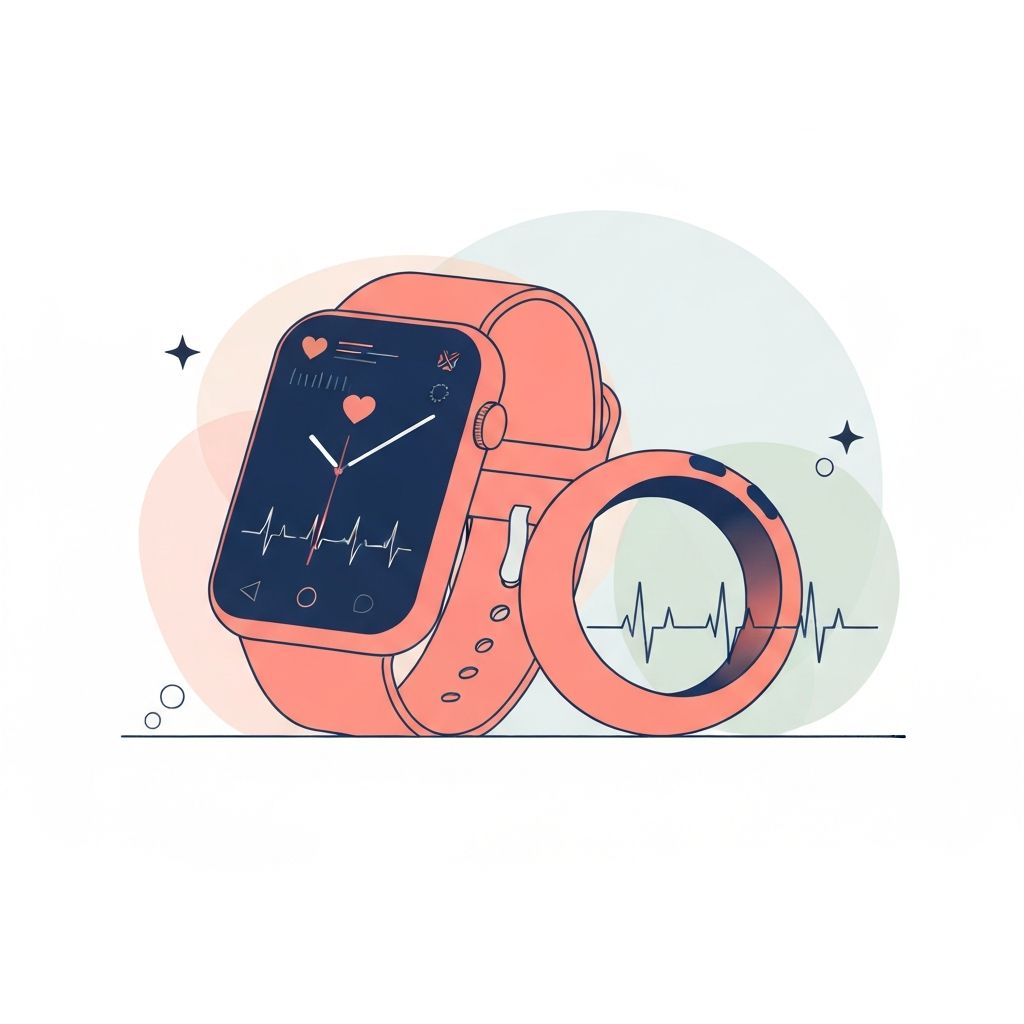
Oura Ring: Excels at sleep tracking with detailed sleep stage analysis, HRV measurement, and readiness scores. The 'readiness' metric can help predict difficult symptom days. Best for those prioritizing sleep optimization.
Whoop: Focuses on strain, recovery, and HRV with excellent data granularity. The recovery score and strain coach can help prevent ADHD burnout from overcommitment. Subscription model includes detailed analytics.
Apple Watch: Most versatile option with HRV, sleep tracking, activity monitoring, and integration with health apps. The Mindfulness app can prompt breathing exercises during high-stress moments.
Garmin: Strong sleep and HRV tracking with body battery feature that shows energy levels throughout the day. Good battery life means consistent data without daily charging.
Fitbit: Most accessible entry point with adequate sleep and heart rate tracking. Stress management score can correlate with ADHD symptom severity.
What Data to Track for ADHD
Sleep Metrics: Total sleep time, sleep efficiency, time to fall asleep (latency), wake episodes, and sleep stages. ADHD is strongly associated with delayed sleep phase and reduced sleep quality.
HRV Trends: Lower HRV correlates with ADHD symptoms. Track how HRV changes with medication, sleep quality, and stress levels.
Resting Heart Rate: Elevated resting HR can indicate stress, poor sleep, or stimulant medication effects. Track trends rather than absolute numbers.
Activity Patterns: Step counts and movement patterns can reveal restlessness, hyperfocus periods (low movement), or the crash after medication wears off.
Correlating Data with Symptoms
Keep a simple daily log rating your focus, energy, and mood alongside wearable data. After 2-4 weeks, patterns emerge: maybe your worst focus days follow nights with less than 6 hours of deep sleep.
Track medication timing against biometric changes. You might discover your afternoon crash coincides with HRV changes, helping optimize dose timing.
Note correlation isn't causation - use data to generate hypotheses to discuss with your healthcare provider, not to self-diagnose or self-treat.
Research Supporting Wearable Use in ADHD
A 2024 study in Digital Health found that wearable-derived sleep metrics predicted next-day ADHD symptom severity with 73% accuracy.
Research from Stanford's Digital Health lab showed that passive smartphone and wearable data could distinguish ADHD from non-ADHD individuals with over 80% accuracy.
The Adolescent Brain Cognitive Development (ABCD) study is incorporating wearable data to understand ADHD development, signaling mainstream acceptance of these tools.
Already tracking with a wearable?
Our assessment helps contextualize your data and identify which patterns matter most for your ADHD management.
Get Personalized Insights