Digital Phenotyping: The Future of ADHD Monitoring
How smartphone and wearable data patterns can objectively track ADHD symptoms - the latest research on passive symptom monitoring.

What Is Digital Phenotyping?
Digital phenotyping uses data passively collected from smartphones and wearables to characterize health states. For ADHD, this means using typing patterns, app usage, movement data, sleep metrics, and communication patterns to objectively assess symptoms.
Unlike self-report measures that capture a moment in time and rely on flawed memory, digital phenotyping provides continuous, objective data about how ADHD manifests in daily life.
Smartphone Data That Reveals ADHD Patterns
App Switching Frequency: Research shows ADHD is associated with more frequent app switches and shorter session durations - digital manifestations of distractibility.
Typing Patterns: Speed variability, error rates, and pause patterns during text entry differ between ADHD and neurotypical individuals. Algorithms can detect these subtle differences.
Screen Time Distribution: Not just total screen time, but the pattern of use - late night phone use, fragmented sessions throughout the day, and specific app categories used.
Communication Patterns: Response latency to messages, consistency of social communication, and patterns of starting but not finishing message threads.
Wearable Data Integration
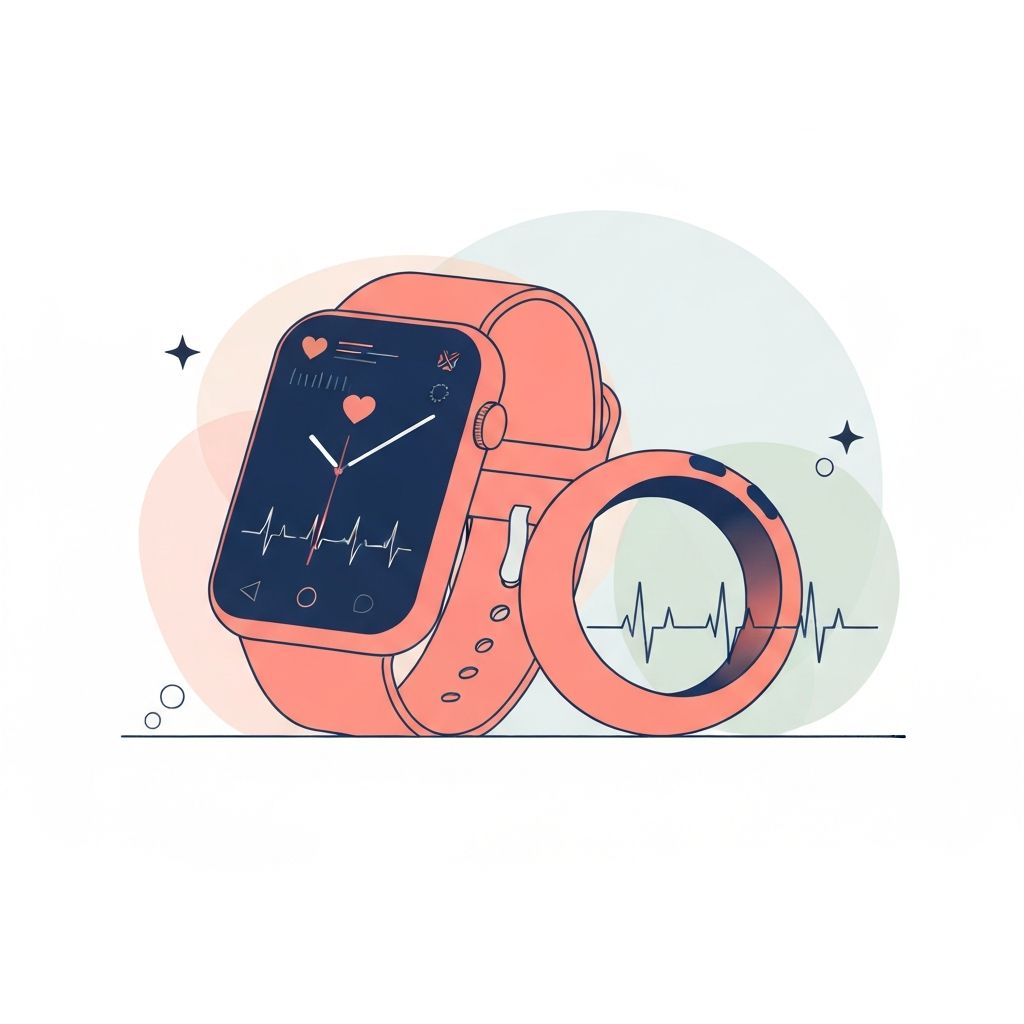
Combined with smartphone data, wearables add physiological context: Was that 3 AM phone use accompanied by elevated heart rate (anxiety/restlessness) or normal HR (insomnia/delayed sleep phase)?
Activity data can distinguish between productive hyperfocus (sustained stillness) and paralysis (stillness with phone scrolling). Context matters for interpretation.
Sleep data from wearables helps explain next-day symptom patterns captured via smartphone - creating a fuller picture than either data source alone.
Current Research and Applications
Stanford's Precision Mental Health initiative has demonstrated that digital phenotyping can distinguish ADHD from non-ADHD individuals with over 80% accuracy using only passive smartphone data.
A 2023 study in JMIR Mental Health showed that changes in digital phenotyping markers preceded self-reported symptom changes by an average of 3 days - enabling predictive, proactive intervention.
Several startups are developing clinician dashboards that integrate digital phenotyping data for ADHD monitoring between appointments, though none are yet FDA-cleared.
Privacy and Practical Considerations
Digital phenotyping raises legitimate privacy concerns - apps collecting this data must be carefully vetted for security and appropriate data use policies.
Currently, most robust digital phenotyping requires research-grade apps not available to consumers. However, combining data from existing tools (wearables, screen time reports, sleep trackers) can approximate similar insights.
The future likely involves opt-in sharing of digital phenotyping data with healthcare providers, similar to how some patients already share continuous glucose monitor data with their physicians.
Start tracking your patterns
While we await advanced digital phenotyping tools, our assessment can help identify your key ADHD patterns today.
Identify Your Patterns